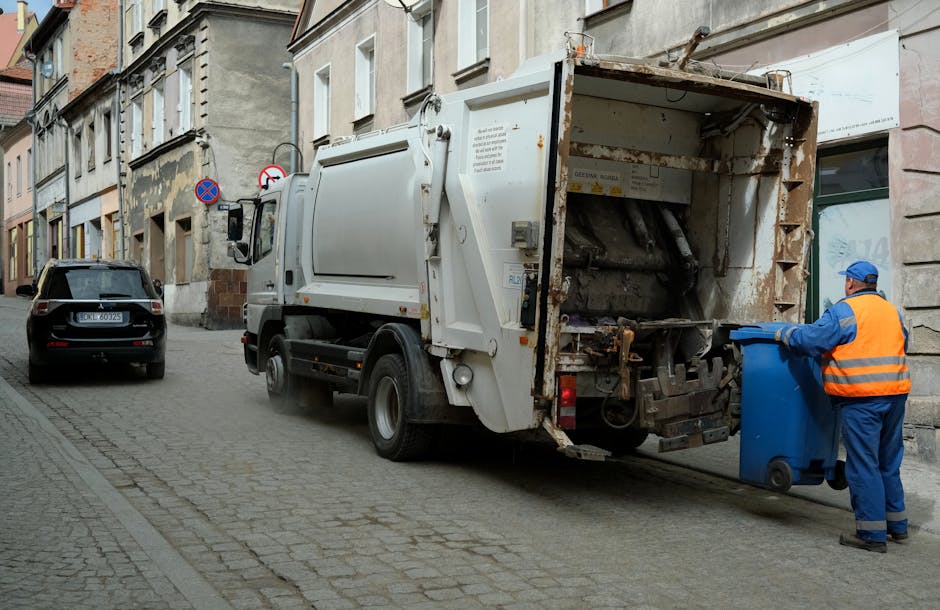
Access on narrow Kingston Road and rubbish collection tips
Narrow roads can turn a simple rubbish collection into a bit of a puzzle. If you are dealing with Access on narrow Kingston Road and rubbish collection tips, the main challenge is usually not the waste itself; it is the squeeze around parked cars, tight turns, low visibility, and finding a safe place to load. That is true whether you are clearing a flat, a family house, a garden, or a small office that has accumulated far more than anyone planned for.
The good news? With the right preparation, collections on a narrow road can run smoothly. A little planning upfront saves time, reduces frustration, and lowers the risk of delays, damage, or awkward back-and-forth on collection day. In this guide, we will walk through what matters, how it works in practice, and the most useful rubbish collection tips for tricky access situations on Kingston Road and similar streets. No fluff. Just the stuff that helps.
Table of Contents
- Why access on narrow Kingston Road matters
- How access planning for rubbish collection works
- Key benefits and practical advantages
- Who this is for and when it makes sense
- Step-by-step guidance
- Expert tips for better results
- Common mistakes to avoid
- Tools, resources and recommendations
- Law, compliance, standards, or best practice
- Options, methods, or comparison table
- Case study or real-world example
- Practical checklist
- Conclusion
- Frequently asked questions
Why Access on narrow Kingston Road and rubbish collection tips Matters
Access issues are not a minor detail. On a tight road, they can shape the entire collection. If a vehicle cannot stop safely, if there is nowhere to unload, or if the crew has to carry items much further than expected, the job becomes slower and more expensive. In the real world, that can mean a missed slot, a longer wait, or a collection that needs re-planning.
Kingston Road-style access problems are common in older residential streets, mixed-use areas, and roads where parking is limited. One side may be lined with cars. The turning space may be narrower than it looks online. A van may fit in theory, but not with bins, branches, mattresses, or bulky furniture being moved at the same time. Let's face it, most streets look easier on a screen than they do with a vehicle full of waste and a neighbour's bumper three inches away.
It also matters because rubbish collection is not just about lifting things into a vehicle. It is about doing that safely, legally, and without disrupting neighbours more than necessary. Good access planning helps protect pedestrians, reduces the chance of property damage, and makes the whole process less stressful for everyone involved.
Expert summary: narrow-road collections work best when access is checked early, parking is thought through, and waste is sorted before the vehicle arrives. Small steps upfront make a big difference on the day.
How Access on narrow Kingston Road and rubbish collection tips Works
In practice, access planning starts before the collection vehicle turns up. The crew will usually want to know where the waste is located, what type of items need removing, how far they must be carried, and whether there are any access restrictions such as low branches, tight bends, or shared driveways. That sounds basic, but it really is the foundation.
For a narrow road, the key questions are simple:
- Can a vehicle stop close enough to the property without blocking traffic?
- Is there a safe route from the property to the vehicle?
- Will large items need to be carried through a hallway, up stairs, or around parked cars?
- Are there time windows when parking is easier or less disruptive?
If the answer to any of those is "maybe", it is worth flagging early. A collection team can often adapt, but only if they know what they are working with. Sometimes that means using a smaller vehicle, sometimes it means a two-person carry route, and sometimes it means splitting the load into a few shorter moves. Nothing glamorous. Just sensible logistics.
For households and businesses alike, rubbish collection tips usually come down to two things: reducing unnecessary movement and removing uncertainty. If the crew knows exactly what they are collecting and where it is positioned, they can plan the safest and quickest route in. That applies to furniture, general waste, garden waste, office clear-outs, and even awkward mixed loads after DIY work.
If you are dealing with a property clearance rather than a single-item pick-up, you may also want to look at a broader home clearance or house clearance approach so the access plan matches the actual volume of waste. That is one of those details people often overlook until the first van door opens and everyone starts doing mental arithmetic.
Key Benefits and Practical Advantages
Good access planning on a narrow road is not just about convenience. It gives you practical benefits that show up immediately on collection day.
- Less disruption: fewer awkward manoeuvres, less time blocking the road, and less noise from repeated loading and unloading.
- Better safety: safer movement for crew members, residents, passers-by, and parked vehicles.
- Faster turnaround: the more direct the access, the quicker the collection usually runs.
- Lower risk of damage: careful route planning reduces scrapes, knocks, and accidental contact with walls or cars.
- Cleaner handover: when waste is grouped and ready, the site looks more organised and the process feels calmer.
There is also a softer benefit: peace of mind. If you have ever watched a collection crew trying to figure out where to park while a neighbour reverses out, you will know the value of a plan. A simple, calm collection tends to set the tone for the whole day.
For larger or more awkward loads, those benefits become even more obvious. A sofa does not become lighter because the road is narrow, sadly. But the way it is handled can make all the difference. If the clearance involves bulky furniture, you may find it useful to review dedicated furniture clearance or furniture disposal support so the route and handling plan are realistic.
Who This Is For and When It Makes Sense
This topic matters to anyone trying to remove waste from a property where access is not straightforward. That could be a homeowner, a landlord, a tenant moving out, a business owner, or a contractor finishing a small build. If the road is narrow, parking is limited, or the property sits behind a tricky frontage, you are in the right place.
Typical situations include:
- terraced homes with limited front access
- flats with shared entrances and no lift
- older streets with tight on-road parking
- small office buildings with awkward loading zones
- garden clearances where waste must be carried through side access
- garage or loft clear-outs involving bulky, heavy items
It also makes sense when you are deciding whether to book a full-service clearance or do part of the work yourself. On a wide, open driveway, self-loading may be manageable. On a narrow road, though, the hidden costs can be time, effort, and a fair bit of stress. That is where a proper waste removal plan can save a lot of faff.
If the job is more than a few bin bags, or if you are not sure how access will work, it is often worth looking at waste removal as a structured service rather than trying to improvise on the day. Truth be told, improvising on a narrow street is rarely the fun kind of spontaneous.
Step-by-Step Guidance
Here is a straightforward process that works well for narrow-road collections.
- Walk the route first. Check the path from the waste area to the road. Look for steps, tight corners, low walls, garden gates, and awkward door widths.
- Measure the bulky bits. Large sofas, wardrobes, appliances, and builder's waste bags can cause bottlenecks. A rough measurement is usually enough.
- Note parking realities. Is there resident parking, permit parking, double yellow lines, or a school run that changes the picture at certain times?
- Separate the load. Put easy-to-move items together and keep breakables, sharp objects, and heavy materials apart.
- Create a clear staging area. If possible, move waste to one safe spot near the exit so the crew can work efficiently.
- Protect the route. Use cardboard, old blankets, or boards where needed to protect floors, door frames, and bannisters.
- Share the access details early. If a vehicle needs to stop a little further away, say so. If there is a timed gate or a busy school-time restriction, mention that too.
- Keep the area accessible on the day. Pets, bikes, wheelie bins, and stray storage boxes can slow everything down. A quick tidy-up helps more than people expect.
A small example: a two-bedroom flat on a busy side street may look simple enough. But if the hallway is tight, the lift is tiny, and the van cannot stop directly outside, the job needs more carrying time than a quick glance suggests. Once that is clear, the rest becomes manageable. Not easy, necessarily, but manageable.
If the collection includes garden debris, branches, turf, or soil, it may help to combine access planning with a garden clearance approach so the heavier material is staged neatly and loaded without unnecessary trips back and forth.
Expert Tips for Better Results
These are the practical tips that tend to save the most time on narrow streets.
- Choose the quietest loading window. Early morning or mid-morning can be easier than school-run or evening periods, depending on the street.
- Use one staging point, not three. Scattered waste slows everyone down and creates confusion.
- Keep the heaviest items nearest the exit. That simple order makes a noticeable difference.
- Avoid blocking your own doorway. It sounds obvious, but it happens more often than you would think.
- Tell the crew about any low or fragile features. Doorbells, glass panels, old brickwork, and narrow steps are worth pointing out.
- Photograph awkward access in advance. A couple of pictures can prevent a lot of guessing.
A slightly old-school tip that still works: keep a clear verbal handover when the vehicle arrives. One person should explain the route, the tricky spots, and what must be lifted first. That is usually enough. No need for a committee meeting on the pavement.
For mixed clear-outs, especially where the property contains everything from old cabinets to loft storage and boxes of forgotten cables, an organised loft clearance or garage clearance can help keep the access route cleaner and faster. It is surprising how much time disappears when everyone keeps stepping around "just one more thing".
Common Mistakes to Avoid
The most common mistakes are usually small, but they snowball quickly on a narrow road.
- Underestimating the carry distance: a few extra metres is fine; a long carry route for every item is not.
- Not checking parking rules: if the vehicle cannot legally stop, the whole collection can become awkward fast.
- Leaving access details until the day: that is when problems become expensive in time and effort.
- Mixing everything together: loose mixed waste slows sorting and loading.
- Ignoring obstacles in the property: stair rails, low ceilings, narrow landings, and tight corners matter more than people think.
- Forgetting the neighbours: a polite heads-up can prevent complaints and tension.
Another mistake is booking a service based only on volume, not access. A small load can still be awkward if it sits at the back of a property with no clear path out. Conversely, a larger load may be easy if it is already stacked neatly at the front. Access changes the job more than people realise.
And yes, there is always one chair that looks perfectly ordinary until you try to get it through a hallway that seems to have shrunk overnight.
Tools, Resources and Recommendations
You do not need specialist gear for every collection, but a few practical tools make narrow-road jobs much easier.
- Measuring tape: useful for checking doorways, gates, and bulky items.
- Work gloves: helpful for gripping awkward rubbish safely.
- Heavy-duty sacks or rubble bags: better for keeping loose waste under control.
- Protective floor coverings: cardboard, blankets, or runners can reduce scuffs indoors.
- Mobile photos or a short video: excellent for showing access problems before the day.
For larger or more specialised collections, it can help to think in categories rather than "general rubbish". Builders' waste, business clear-outs, and household clearances each behave differently when access is limited. If you are dealing with renovation debris, a dedicated builders waste clearance approach can be more efficient than treating everything as mixed rubbish.
If the work is tied to an office move, a closure, or a reset after refurbishments, you may also want a structured office clearance plan. Office waste is often bulky in a different way: desks, chairs, filing items, screens, and packaging all create access friction if they are not grouped properly.
For businesses, a carefully managed business waste removal arrangement can be particularly useful when access has to be balanced with staff, customers, deliveries, and day-to-day operations. Small operational details. Big difference.
Law, Compliance, Standards, or Best Practice
When you are arranging rubbish collection, the main compliance issue is usually safe and lawful handling rather than the road itself. In the UK, waste must be managed responsibly, and duty of care principles apply to both the waste producer and the collector. In plain English, that means you should know what is being removed, avoid passing on hazardous materials without proper arrangement, and make sure the collection is handled by a suitable service.
On narrow roads, best practice also includes safe manual handling, clear access routes, and sensible parking choices that do not create avoidable risk. If a collection team has to work in a cramped space, the risk profile changes. That is why honest information matters so much. It helps the team decide whether extra time, extra people, or a different vehicle is needed.
There can also be property-related safety considerations. Shared access, stairs, low lighting, and damaged surfaces all affect how waste should be moved. A careful operator will usually think through those factors before loading begins. If you are comparing providers, it is sensible to ask about insurance and safety as part of the conversation, because on a narrow street you want a team that takes risk seriously, not casually.
Where sustainability matters, sorting reusable and recyclable materials in advance is one of the simplest best-practice steps. It helps reduce unnecessary disposal and makes the load easier to manage. The same is true for checking a company's recycling and sustainability approach if you want the job handled responsibly rather than rushed.
Options, Methods, or Comparison Table
There is more than one way to handle rubbish on a narrow road. The best option depends on the size of the load, the access, and how quickly the clearance needs to happen.
| Method | Best for | Strengths | Trade-offs |
|---|---|---|---|
| Self-loading to a waiting vehicle | Smaller loads, easy front access | Simple, direct, often flexible | Can be tiring and awkward on tight routes |
| Full collection crew with carry-out | Bulky items, limited access, mixed waste | Less physical effort for you, more efficient handling | Needs clear access information in advance |
| Split-load collection | Properties with severe access constraints | Reduces congestion and loading pressure | May take longer and require more coordination |
| Phased clearance | Large house or garage contents | Allows the route to stay clear and orderly | Not always ideal if you need everything gone in one visit |
In many narrow-road situations, a full collection crew is the most practical choice because it reduces the number of trips and keeps the job moving. Still, there is no one-size-fits-all answer. A small flat with tidy access may only need a simple load-out. A cluttered home with a tight entrance may need a more careful approach, almost step by step.
Case Study or Real-World Example
Here is a realistic example. A household on a narrow Kingston Road-style street needed a clear-out after a loft tidy-up and some old furniture replacement. The road had parked cars on both sides by late morning, and the front garden path was just wide enough for one person at a time. Not ideal, but workable.
Instead of waiting until the vehicle arrived to see what happened, the homeowners staged the items the evening before. They moved smaller bags into the hallway, kept the larger furniture near the front door, and cleared a path by the gate. They also took a few photos of the street layout so the team knew where stopping was likely to be easiest.
On the day, the collection went much more smoothly than they expected. The crew knew which pieces were heaviest, what order to remove them in, and where the access pinch points were. There was still a bit of shifting around a parked car, because of course there was, but the job stayed calm. Finished faster. Less stress. No drama, which is really the dream in this sort of situation.
The key lesson was simple: the narrow road was not the real problem. The lack of planning would have been. Once the access plan was clear, the collection became a straightforward logistics job rather than a frustrating guessing game.
Practical Checklist
Use this quick checklist before collection day. It is basic, but it catches most of the avoidable issues.
- Confirm the waste type and approximate volume.
- Check whether the vehicle can stop safely near the property.
- Measure any tight gates, doorways, stairs, or corridors.
- Clear a staging area close to the exit.
- Remove obstacles such as bikes, bins, and loose storage items.
- Take photos of awkward access points if needed.
- Tell the crew about parking restrictions or time-limited access.
- Separate reusable, recyclable, and general waste where possible.
- Protect floors and walls if bulky items must pass through the house.
- Keep pets and children away from the loading route.
Quick reminder: if the load involves a whole property or a large volume of mixed items, it may be worth checking pricing and quotes early so you can match the service to the access reality rather than making last-minute guesses.
Conclusion
Narrow-road rubbish collection does not have to be difficult. It just needs a bit of forethought. Once you understand the access, stage the load properly, and share the awkward bits early, the whole process becomes far more manageable. That is really the heart of it.
Whether you are clearing a home, dealing with furniture, tidying a loft, or removing business waste, the same principles apply: plan the route, keep the load organised, and make the access as simple as possible for the people doing the lifting. It sounds modest, but it saves time and makes the day easier for everyone on Kingston Road and streets like it.
If you are still weighing up the best approach, take a moment to review your access, your waste type, and how much lifting you want to do yourself. A careful start usually leads to a smoother finish. And that, honestly, is what most people want.
Get a free quote today and see how much you can save.
Sometimes the nicest part of a well-run clearance is how ordinary it feels in the end. Just a quiet street, a clear path, and one less thing to think about.
Frequently Asked Questions
What should I check before booking rubbish collection on a narrow road?
Check the parking situation, the width of the access route, the distance from the waste to the vehicle, and any steps, gates, or low obstacles. A few photos are often enough to show where the tricky points are.
Can a collection team work if the van cannot park directly outside?
Usually yes, as long as the crew can stop safely within a reasonable carrying distance. The key is to explain the access problem in advance so the team can plan the route and loading method properly.
How do I prepare bulky items for a narrow Kingston Road collection?
Move bulky items as close to the exit as you safely can, clear the route, and separate the heaviest pieces from lighter rubbish. If something is especially awkward, mention its size early so no one is guessing on the day.
What if parking is restricted during the day?
That is a common issue on narrow streets. In many cases, the solution is to choose a better time slot, use a different stopping point, or stage the waste so loading is quicker when access becomes available.
Is it better to book a full clearance or move the waste out myself first?
If access is tight, a full clearance is often easier because the crew handles the lifting and route management. If you do move items yourself, focus on staging them neatly and safely, not on carrying everything halfway down the road.
How can I reduce the risk of damage to walls and door frames?
Protect the route with blankets, cardboard, or runners where needed, and make sure the biggest items are moved slowly. Small corners and narrow landings are usually where scrapes happen, so give those areas extra care.
What kinds of waste are hardest to handle on a narrow street?
Bulky furniture, mixed builders' waste, wet garden waste, and heavy items like rubble or old appliances can be the most awkward. The problem is not just weight; it is the combination of weight and tight movement space.
Should I tell the collection team about neighbours or shared access?
Yes. Shared driveways, communal entrances, and neighbour parking can all change the collection plan. A small note in advance can prevent delays and reduce tension on the day.
How early should I clear the access route?
Ideally the evening before or at least a few hours before collection. That gives you time to spot anything you forgot, and it avoids rushing around while the vehicle is waiting.
Can access issues affect the price?
They can, because difficult access may require more carrying time, extra labour, or a different loading approach. It is always best to describe the site honestly when requesting a quote so the price is based on the real job, not an ideal one.
What is the best rubbish collection tip for a very tight property entrance?
The best tip is to stage everything in one clear, well-lit area near the exit and keep the route completely free of clutter. That single step often saves more time than anything else.
Is this only relevant to homes on Kingston Road?
No. The advice works for any narrow street, awkward frontage, or limited-access property. Kingston Road is just a useful example of the kind of access challenge people often face in older urban areas.